Skip to content
Availability confirmed when quotingcole@frontrangelabor.com
Front Range Labor

Fort Collins Event Load-In Checklist for Venues and Vendors

EVENT LOAD-IN · FORT COLLINS

Fort Collins Event Load-In Checklist for Venues and Vendors

A practical checklist for coordinators who need temporary labor to unload, stage, set up and reset an event space on schedule.

By the Front Range Labor Team · Northern Colorado

Tables and chairs arranged for an event.

The event may last for hours, but the load-in window can be short. Vendors arrive at the same door, equipment blocks the route and a missing decision can leave a crew waiting. A simple load-in plan keeps temporary labor productive from the first minute.

Confirm venue access

  • Exact loading entrance and street address
  • Parking or loading-zone instructions
  • Door, elevator and dock dimensions
  • Access codes, badges or check-in requirements
  • Noise, floor-protection and operating-hour rules
  • Person authorized to approve changes

For public parking or city-facility questions, check current information with the City of Fort Collins or the venue. The client is responsible for permits, reservations and legal access.

Build the schedule backward

Start with the time the room must be guest-ready. Work backward through final inspection, décor, furniture placement, staging and unloading. Add time for vendor overlap and elevator use. Give the labor crew a clear arrival time, not just the event start time.

Create one unloading order

Items needed first should be accessible first. If staging pieces are buried behind boxes of décor, the crew will move material twice. Label vehicles, cases and destination zones. When several vendors share the load-in area, assign time blocks or a traffic coordinator.

Define crew roles

Temporary workers are most effective when instructions are simple and ownership is clear. Assign a lead for unloading, a lead inside the room and one overall decision-maker. Explain which tasks require two people and which items need special equipment.

Provide the equipment

The client, venue or vendor supplies carts, dollies, pallet jacks, ladders, tools, protective materials and personal protective equipment appropriate for the scope. Confirm who is authorized and qualified to operate any powered equipment. General labor does not automatically include rigging, electrical work, lifts or licensed technical work.

Use a room plan

Number or name each area and give the crew a printed or digital layout. Mark table counts, chair orientation, vendor spaces, staging and storage. If the plan may change, identify who can approve the change so workers are not receiving conflicting instructions.

Plan teardown before the event opens

Decide what gets packed, returned, recycled or discarded. Label empty cases and keep them organized. Confirm the teardown start time, venue deadline and vehicle order. A good teardown plan is part of the load-in plan—not an afterthought.

What to send with the labor request

  1. Venue address and loading entrance
  2. Date, start time, end time and hard deadlines
  3. Task list and estimated quantities
  4. Photos, floor plan and access instructions
  5. Equipment supplied onsite
  6. Requested crew size, if known
  7. Onsite contact and decision-maker

Review our Fort Collins event labor page, crew-size guide and teardown planning guide. When the schedule is ready, request a flat-rate event crew quote.

Give the load-in plan enough hands.

Describe the job, upload useful photos and choose a preferred date and time. We’ll review the scope and send one flat-rate quote.

Front Range Labor

Labor-only help across Northern Colorado.

Moving · Cleanouts · Events · Other labor

Blog · Service areas · Privacy · Terms

© 2026 Front Range Labor LLC.
Garage Cleanout Help in Fort Collins: Container, Crew and Disposal Plan

GARAGE CLEANOUT · FORT COLLINS

Garage Cleanout Help in Fort Collins: Container, Crew and Disposal Plan

A cleanout moves faster when the customer decides where everything goes before the crew begins carrying and loading.

By the Front Range Labor Team · Northern Colorado

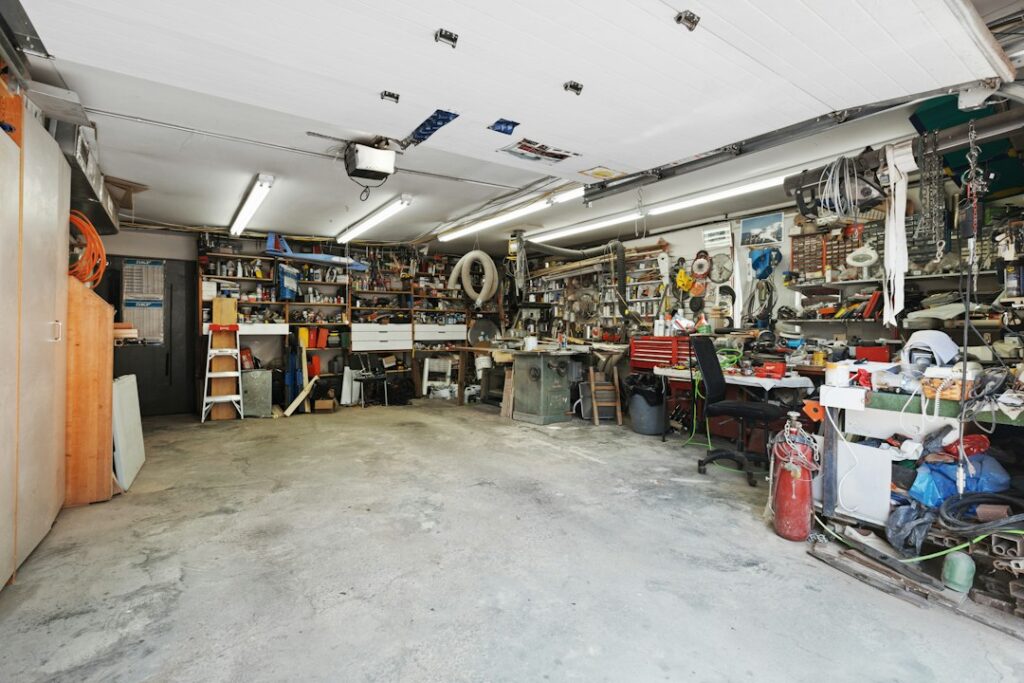
A cluttered garage with stored household items ready for sorting.

A garage cleanout often stalls because three decisions are mixed together: what stays, where unwanted items go and who will do the physical work. Separating those decisions makes the project easier to quote and finish.

Front Range Labor provides labor-only cleanout help. You arrange the trailer, truck, dumpster or pickup plan. We provide the approved crew to sort, stage, carry and load.

Step 1: Decide the destinations

Create clear categories before moving begins: keep, relocate, donate, recycle and dispose. Use visible labels or separate areas. If multiple family members are involved, choose one person with authority to make final decisions onsite.

Step 2: Check disposal rules

Do not assume every material can go into the same dumpster. Paint, chemicals, fuel, batteries, electronics, pressurized cylinders and other restricted materials may require separate handling. Larimer County maintains current solid waste information and guidance for household hazardous waste.

For Loveland projects, the Loveland Recycling Center publishes accepted materials and local drop-off information. Verify current hours and requirements directly with the facility before loading.

Step 3: Choose the container

Estimate volume after separating items that will stay or be donated. Confirm what the rental company accepts and where the container can legally sit. Keep the loading opening accessible and avoid forcing the crew to carry material farther than necessary.

Step 4: Photograph the garage

Take wide photographs from each corner, then close-ups of bulky items. Show shelves, overhead storage, stairs and the route to the container. Photos help estimate crew size and reveal whether special tools, disassembly or additional preparation may be required.

Step 5: Remove sensitive items

Before labor starts, remove keys, documents, medication, firearms, cash, jewelry, family records and anything with personal information. Do not ask a temporary crew to decide what is valuable or confidential.

Step 6: Create a safe path

Open the main door, clear tripping hazards and keep children and pets away from the work zone. Identify unstable shelves, sharp objects, broken glass and leaking containers. Unknown or hazardous material should be handled through the appropriate specialist or disposal program.

Step 7: Walk the scope before loading

At arrival, review every approved area and destination with the crew lead. Confirm what should not be touched. If the scope has changed significantly since the quote, pause and obtain approval before adding the work.

Read our complete Fort Collins cleanout labor page, the local sorting guide and the estate cleanout checklist. Then request a flat-rate cleanout labor quote.

Bring the container. We’ll bring the crew.

Describe the job, upload useful photos and choose a preferred date and time. We’ll review the scope and send one flat-rate quote.

Front Range Labor

Labor-only help across Northern Colorado.

Moving · Cleanouts · Events · Other labor

Blog · Service areas · Privacy · Terms

© 2026 Front Range Labor LLC.

Same-Day Labor Help in Northern Colorado: What to Send for a Fast Quote

SAME-DAY LABOR · QUOTE CHECKLIST

Same-Day Labor Help in Northern Colorado: What to Send for a Fast Quote

Same-day help depends on crew availability, but a complete request gives our team the best chance to price and schedule the work quickly.

By the Front Range Labor Team · Northern Colorado

Two men carrying cardboard boxes during a move.

When you need labor today, the fastest quote is usually the one that requires no follow-up questions. “Need two guys to help move” is not enough to price or schedule safely. A clear request tells us where the work is, what must be done, what you are providing and what the crew will encounter.

Start with the exact address

Provide the complete job address and every additional location. Include the city and ZIP even when the neighborhood seems obvious. If the crew will load in Loveland and unload in Fort Collins, both addresses belong in the original request.

Choose the service that matches the work

  • Moving labor: loading, unloading, furniture placement and approved heavy lifting.
  • Cleanout labor: sorting, carrying and loading into the customer’s dumpster, trailer or truck.
  • Temporary or event labor: setup, teardown, staging, organizing and defined general-labor shifts.
  • Other labor: a job that needs manual review before we confirm it.

Send useful photos

Photograph the entire work area, not only one large item. Include the route from the room to the truck or container. Show stairs, tight corners, elevators, gates and the parking location. For moving jobs, photograph the largest and heaviest pieces. For cleanouts, show each room or pile from more than one angle.

Describe access in plain language

State the floor, number of stair flights, elevator availability, walking distance and where the crew can park. Mention access codes, loading-dock rules, property-manager requirements and deadlines. If parking is uncertain, resolve it before booking.

Explain what you will provide

Front Range Labor is labor only. For a move, the customer supplies the truck or container, dollies, straps, blankets, tools and protection materials. For a cleanout, the customer supplies the container, transport and lawful disposal plan. For an event, the client or venue provides equipment, materials and onsite direction.

Identify restricted or specialized work

Disclose unusually heavy items, hazardous material, biohazards, demolition, licensed-trade work, equipment operation, rigging or anything else that may fall outside general labor. Do not wait until arrival to reveal it. We would rather decline or adjust a task before the crew is onsite.

Give a real time window

Select morning, midday or evening, then explain any hard deadline. Same-day requests are subject to crew availability and add a $100 service fee. Requests submitted before 5 p.m. Mountain Time receive a same-day quote, usually within a few minutes when the details are complete.

What happens after submission?

  1. Our team reviews the scope, access, location and requested timing.
  2. We confirm the crew size and send one flat-rate quote.
  3. You accept online and save a card to reserve the job. No deposit is charged.
  4. The agreed price is charged after the job is completed.

Jobs have a $200 minimum. Review the booking FAQs, check the service area and submit your request online. No phone call is required.

Need labor today? Send the complete request.

Describe the job, upload useful photos and choose a preferred date and time. We’ll review the scope and send one flat-rate quote.

Front Range Labor

Labor-only help across Northern Colorado.

Moving · Cleanouts · Events · Other labor

Blog · Service areas · Privacy · Terms

© 2026 Front Range Labor LLC.

How Much Does Moving Labor Cost in Loveland and Fort Collins?

MOVING COSTS · NORTHERN COLORADO

How Much Does Moving Labor Cost in Loveland and Fort Collins?

A practical way to estimate labor-only moving costs, compare flat-rate quotes and avoid surprises before the crew arrives.

By the Front Range Labor Team · Northern Colorado

Two men carrying cardboard boxes during a move.

Labor-only moving can be a practical middle ground between doing everything yourself and hiring a full-service moving company. You arrange the truck, trailer or portable container. The labor company provides the crew for the lifting, loading, unloading and placement described in the quote.

The price is not determined by the number of bedrooms alone. Two homes with the same floor plan can require very different amounts of work. Access, preparation, item weight, carrying distance and the amount of disassembly often matter more.

What changes a moving labor quote?

Crew size

A two-person crew may be right for a smaller, organized job. Larger inventories, short access windows or heavy pieces can require more people. Adding workers can increase the direct labor cost while reducing elapsed time, so crew size should be based on the complete job rather than the lowest headcount.

Expected duration

Duration includes more than carrying boxes. It can include protecting the route, moving items from upper floors, waiting for an elevator, arranging the truck load and placing items at the destination. Complete photos help the estimator account for that work.

Stairs, elevators and walking distance

A truck parked next to a garage is different from a third-floor apartment with a long hallway. Measure the route honestly. Mention elevator reservations, gate codes, loading zones and any time limits imposed by the property.

Large or unusually heavy items

Safes, pianos, oversized appliances, exercise equipment and dense furniture require separate review. Weight, dimensions, stairs and the available equipment determine whether an item can be safely included.

Two locations and travel

Loading at one address and unloading at another requires the crew’s travel and both access plans to be included. With labor-only service, the customer controls the moving vehicle and household-goods transportation.

Hourly versus flat-rate moving labor

An hourly quote looks simple, but the final total can be difficult to predict. A flat-rate quote puts the agreed scope, crew and price together before booking. It works best when the customer provides accurate information. If the inventory or access changes materially, the quote may need to change as well.

Front Range Labor uses flat-rate quotes and currently has a $200 job minimum. The quote confirms the tasks, crew size, arrival window and price. Same-day work is subject to availability and adds $100.

How to receive a more accurate quote

  1. List every location where the crew will work.
  2. Photograph the rooms, largest items and access route.
  3. State the floor level, stairs, elevator and distance to parking.
  4. Identify everything requiring disassembly, assembly or special handling.
  5. Explain what equipment and protective materials you will provide.
  6. Give a realistic preferred date and morning, midday or evening window.

Start with the service page for moving labor in Northern Colorado. For city-specific planning, see moving labor in Loveland or moving labor in Fort Collins.

Preparation is the easiest cost control

Finish packing, label rooms, clear hallways and keep decision-making out of the crew’s work path. Reserve the truck and elevator before the labor window. Stage boxes close to the exit when practical and separate anything that should not be moved. Good preparation reduces uncertainty and makes a flat-rate scope easier to honor.

If you are unsure how many workers the job needs, read our guide to choosing a moving crew size. When ready, send the job details for a flat-rate quote.

Turn the estimate into a clear moving plan.

Describe the job, upload useful photos and choose a preferred date and time. We’ll review the scope and send one flat-rate quote.

Front Range Labor

Labor-only help across Northern Colorado.

Moving · Cleanouts · Events · Other labor

Blog · Service areas · Privacy · Terms

© 2026 Front Range Labor LLC.
What Can Go in a Dumpster or Trailer? A Northern Colorado Cleanout Guide

CLEANOUT GUIDE · NORTHERN COLORADO

What Can Go in a Dumpster or Trailer? A Northern Colorado Cleanout Guide

A cleanout gets expensive and frustrating when everything is loaded before anyone confirms where it can go. Sort the material first, verify the destination’s rules, and build a route that keeps reusable, regulated, and ordinary items separate.

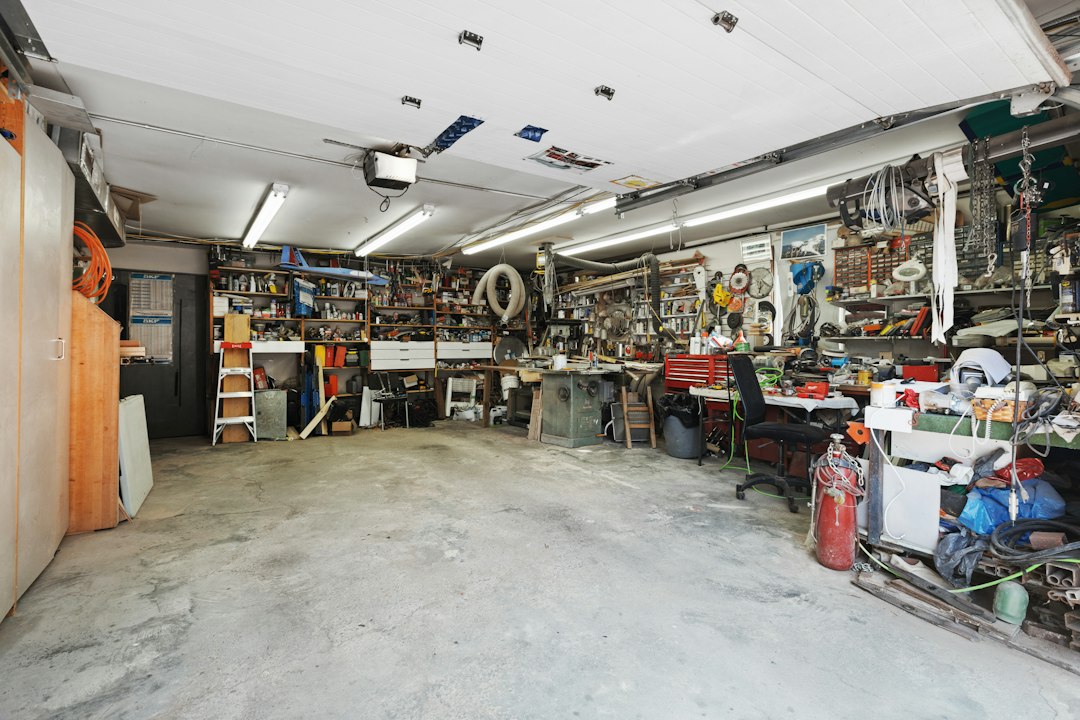
A cluttered garage with stored household items ready for sorting.

Stock photo: Point3D Commercial Imaging. Illustrative service image.

Choose the destination before loading

A dumpster, transfer station, landfill, recycling center, and donation site do not accept the same materials. Start with the company or facility that will receive the load. Ask for its current prohibited-item list, size limits, hours, fees, and requirements for covered or secured loads.

Larimer County publishes a current A–Z disposal guide. Rules can change, so use that directory as a starting point and confirm details directly before the project day.

Make four sorting zones

Use clear zones for donate, recycle, ordinary disposal, and special handling. Add a fifth keep zone if the property is still being organized. Mark the zones with large signs and keep walkways open so crew members do not have to stop and ask about every item.

Do not rely on memory once the work begins. A simple written list for each zone helps everyone make the same decision and prevents a reusable item from being buried under trash.

Separate hazardous and regulated material

Paint, chemicals, fuels, batteries, propane cylinders, pesticides, fluorescent lamps, and similar products may require special handling. Never hide them in bags or mix them into an ordinary dumpster. Leaking, unlabeled, or swollen containers should be isolated from the work path.

Review Larimer County’s household hazardous waste guidance before moving these items. Follow the facility’s packaging and transport instructions.

Ask about bulky-item rules

Appliances, tires, mattresses, televisions, construction debris, concrete, dirt, and refrigerators often have separate fees or restrictions. Refrigerators and air conditioners can contain refrigerants. A dumpster company may refuse an entire load if prohibited material is mixed in.

Photograph bulky items and send the list to the disposal provider. Get written confirmation when an item is unusual or especially heavy.

Protect donations from the disposal pile

Donation items should be clean, functional, and protected from weather. Call the organization first because current needs, drop-off hours, and accepted categories vary. A broken item does not become donatable simply because it is placed in that zone.

Pack small pieces in labeled boxes and keep hardware with furniture. Load donations last if they must be dropped off before the disposal run.

Plan the loading path

Measure doors, gates, stairs, and tight turns. Remove rugs, hoses, cords, and loose debris. Protect floors and door frames where bulky pieces will pass. Decide where the trailer or dumpster can sit without blocking emergency access or creating a blind corner.

Keep children, pets, and bystanders away from the loading route. One person should have authority to answer sorting questions and approve any change in scope.

Load for a stable trip

Place dense, stable items low and distribute weight according to the trailer or vehicle manufacturer’s instructions. Do not exceed rated capacity. Secure loose material and cover loads when required so nothing can shift or leave the vehicle.

The vehicle owner and driver remain responsible for capacity, securement, and transport. Labor-only crews can carry and load items, but they do not replace the driver’s final inspection.

Match the crew to the bottleneck

Two people may be enough for bagged material and ordinary furniture. Stairs, long carries, heavy pieces, a short dumpster window, or several sorting destinations can justify more hands. Extra workers only help when the route has enough space for them to work safely.

List safes, pianos, hot tubs, large appliances, and unknown containers separately. Some items require specialty equipment or a different provider.

Know what labor-only means

Front Range Labor supplies the people. The customer supplies the dumpster, trailer, vehicle, tools, equipment, packing material, and disposal plan unless a written quote says otherwise. We do not decide whether a facility will accept an item.

That split keeps the quote clear. Confirm every outside reservation before booking the labor window.

Send enough detail for a flat-rate quote

Include the service address, preferred day and time of day, room or yard photos, stairs, carry distance, parking, largest items, and the container you will provide. Estimate how much is already bagged or boxed and what still needs sorting.

Our $200 minimum applies. Same-day work adds $100 when availability permits. Review our cleanout labor service or send the job details online.

Need cleanout labor?

Send our team photos of the space, the largest items, stairs, access, and the trailer or dumpster you are providing. We will review the scope and send a flat-rate quote.

FRONT RANGE LABOR

Your second set of hands. Labor-only help across Northern Colorado.

cole@frontrangelabor.com · 970-373-0339
Service-area business. No customer visits. © 2026 Front Range Labor LLC.

Northern Colorado Yard Cleanup: A Labor-Only Planning Checklist

YARD CLEANUP · NORTHERN COLORADO

Northern Colorado Yard Cleanup: A Labor-Only Planning Checklist

Yard cleanup runs smoothly when the tools, disposal route, weather window, and definition of done are settled before a crew arrives. Use this checklist to turn a broad request into a job that can be quoted and completed.

A cluttered garage with stored household items ready for sorting.

Stock photo: Point3D Commercial Imaging. Illustrative service image.

Define the finished result

“Clean up the yard” can mean bagging leaves, moving branches, clearing beds, relocating rock, stacking firewood, carrying debris, or loading a trailer. Write the result by area: front beds clear, branches cut and staged, leaves bagged, or trailer loaded.

Separate landscaping decisions from labor. Mark plants, materials, or structures that must stay. If pruning, digging, or demolition is involved, describe the limits in writing.

Confirm the labor-only scope

Front Range Labor provides people for the agreed work. The customer provides rakes, shovels, wheelbarrows, saws, bags, gloves, tarps, ladders, vehicles, trailers, and disposal arrangements unless the written quote says otherwise.

Test tools before the booking. A crew cannot make up for a flat wheelbarrow tire, missing fuel, or a trailer that arrives late.

Choose the disposal route

Decide what will be composted, recycled, chipped, donated, stored, or disposed of. Municipal and private facilities set their own rules for branches, soil, sod, treated lumber, concrete, and mixed trash. Confirm hours and fees before loading.

Fort Collins publishes local trash and recycling information, and Larimer County maintains an A–Z disposal guide.

Watch the wind and weather

High wind can turn tarps, loose branches, dust, and lightweight debris into hazards. Heat, lightning, snow, and frozen ground also change what can be done safely. Check the forecast and keep a rescheduling plan.

The National Weather Service provides wind safety guidance. Stop work when conditions make handling material or equipment unsafe.

Mark utilities and hazards

Identify irrigation lines, low-voltage lighting, pet fencing, septic components, wells, and underground utilities before digging or driving stakes. Remove animal waste, broken glass, needles, chemicals, and other hazards from the work area or disclose them before quoting.

Keep power-line clearance and ladder limits in mind. Jobs involving trees near utilities, unstable structures, or regulated materials may need a specialist.

Open a useful work path

Unlock gates, move vehicles, secure pets, and clear the route between the yard and the staging area. Measure narrow gates for wheelbarrows and bulky debris. Protect finished surfaces if soil or branches must cross them.

Place the trailer, bags, or collection pile where repeated trips are short without blocking sidewalks, hydrants, or emergency access.

Stage supplies by task

Group rakes, shovels, loppers, brooms, bags, tarps, and personal protective equipment near the area where each will be used. Label containers by destination. Provide water and a shaded break area for longer hot-weather jobs.

Keep sharp tools controlled and do not mix them into piles. One person should track tools and answer scope questions.

Use a sequence that avoids rework

Start by identifying what stays. Then clear large pieces, collect smaller material, move dense loads, and finish with sweeping or raking. Work from the farthest area toward the trailer or collection point so completed ground stays open.

If several destinations are involved, load in drop-off order. Keep hazardous or prohibited material out of general debris.

Estimate crew size from access

A small open yard with bagged leaves may need only two workers. Long carries, stairs, steep slopes, heavy stone, dense brush, or a tight deadline can require more. More people do not help if only one wheelbarrow fits through the gate.

Send photos that show distance and grade, not only close-ups of the pile. Wide shots make labor estimates more realistic.

Build a quote-ready request

Provide the address, preferred date and time of day, photos of every zone, approximate pile dimensions, access notes, tools, container size, and the disposal plan. State what is already cut, bagged, or separated.

Our $200 minimum applies, and same-day work adds $100 when availability permits. Review other labor help or book a job online.

Planning a yard cleanup?

Send photos of each work area, the material to move, access, tools available, and the disposal container or destination. Our team will review the scope and send a flat-rate quote.

FRONT RANGE LABOR

Your second set of hands. Labor-only help across Northern Colorado.

cole@frontrangelabor.com · 970-373-0339
Service-area business. No customer visits. © 2026 Front Range Labor LLC.

Donate, Recycle, or Dispose? A Local Cleanout Sorting Guide

CLEANOUT SORTING · NORTHERN COLORADO

Donate, Recycle, or Dispose? A Local Cleanout Sorting Guide

The fastest cleanout is not always the one that puts everything in one pile. A simple sorting plan can protect reusable items, keep regulated material out of the trash, and make each loading run easier to manage.

A cluttered garage with stored household items ready for sorting.

Stock photo: Point3D Commercial Imaging. Illustrative service image.

Start with five clearly marked zones

Use keep, donate, recycle, dispose, and special handling. Place large signs where everyone can see them. If the property contains items that belong to different people, add owner labels before work begins.

Keep the zones separated by more than a few inches. Once bags and boxes stack up, unclear boundaries cause mistakes.

Set a decision deadline

Sorting stalls when every object triggers a long discussion. Decide who can make final calls and create a deadline for uncertain items. Use one small review area instead of allowing undecided material to spread throughout the property.

Photograph sentimental or potentially valuable items before moving them. A labor crew should not appraise property or decide ownership.

Use a realistic donation standard

Donation centers generally need items that are clean, safe, complete, and useful. Acceptance changes with space and demand. Call the organization or check its current list before loading, especially for mattresses, large furniture, building materials, and electronics.

Box small items by category, protect breakables, and keep hardware with furniture. Do not leave donations outside a closed facility unless it explicitly allows that.

Match recycling to a specific outlet

Cardboard, scrap metal, electronics, appliances, batteries, concrete, and yard waste can have different destinations. “Recyclable” does not mean every curbside cart or drop-off site accepts it.

Fort Collins lists services through its Timberline Recycling Center. Verify the current accepted-material list and fees before driving there.

Keep hazardous material separate

Paint, chemicals, fuels, propane cylinders, pesticides, fluorescent lamps, and damaged batteries need a separate plan. Do not pour liquids together, conceal labels, or move leaking containers through occupied areas without proper control.

Use Larimer County’s hazardous waste guidance and follow the facility’s transport instructions.

Check ordinary disposal rules

Before filling a dumpster or trailer, confirm weight limits and prohibited items. Appliances, tires, mattresses, televisions, soil, concrete, and construction debris may have special charges or separate drop-off procedures.

Larimer County’s disposal information helps identify facilities, but the receiving facility is the final authority for the load.

Pack by destination

Use sturdy boxes or bags appropriate to the contents. Label the destination on more than one side. Keep sharp objects contained and do not overload boxes until handles tear or bottoms fail.

Load material in the order you will unload it. If donations are the first stop, keep them accessible and protected from dirty disposal material.

Protect the property

Clear hallways, remove tripping hazards, and protect floors, walls, doors, and railings. Reserve elevators when required. Place the vehicle or container as close as rules allow without blocking emergency access.

Keep one person available to answer questions and perform the final room check before anything leaves.

Understand the labor boundary

Front Range Labor provides labor for the written scope. The customer supplies containers, transportation, tools, materials, facility arrangements, and final disposal decisions unless the quote states otherwise.

Tell the crew about regulated material, pests, mold, bodily fluids, needles, weapons, or unstable structures before booking. Some conditions require a specialist.

Send photos that show the whole job

Include wide photos of each room or outdoor area, close-ups of bulky items, stairs, driveway and parking, plus the trailer or dumpster. Estimate what portion is already sorted and what still needs decisions.

Our $200 minimum applies. Same-day work adds $100 when availability permits. See cleanout labor or request a flat-rate quote.

Need hands for the cleanout?

Send our team photos, access details, your sorting plan, and the vehicle or container you are providing. We will review the work and send a flat-rate quote.

FRONT RANGE LABOR

Your second set of hands. Labor-only help across Northern Colorado.

cole@frontrangelabor.com · 970-373-0339
Service-area business. No customer visits. © 2026 Front Range Labor LLC.

Event Setup Checklist for Northern Colorado Venues

EVENT GUIDE · NORTHERN COLORADO

Event Setup Checklist for Northern Colorado Venues

Event setup is a short project with a hard deadline. A clear floor plan, loading route, equipment count, and decision-maker let a labor crew spend its time building the room instead of waiting for answers.

Tables and chairs arranged for an event.

Stock photo: Michael Kyule. Illustrative service image.

Name one event lead

Choose one person who can approve placement, resolve conflicts, and communicate with the venue. Vendors and volunteers should know who has final authority. A single event lead prevents competing instructions from stopping the crew.

Share that person’s phone number with the crew and make sure they are on site before the labor window begins.

Confirm venue rules

Review access hours, loading-dock reservations, elevator use, parking, floor protection, noise limits, fire-code rules, and cleanup requirements. Ask what the venue supplies and what must leave immediately after the event.

Get written approval for anything mounted, taped, powered, or placed in an aisle. Labor crews should not improvise around venue restrictions.

Build a scaled floor plan

Show table sizes, chair counts, aisles, stages, bars, registration, catering, exits, and accessible routes. Number rooms and stations. Mark measurements where a few feet will affect the layout.

The ADA provides information on accessibility standards. Coordinate the final plan with the venue and qualified event professionals.

Count every setup item

Create quantities for tables, chairs, linens, signs, stanchions, pipe and drape, risers, décor bins, and waste stations. Note what arrives assembled and what needs tools. Include spare quantities separately.

Attach a photo or label to items that look similar. A count lets the crew identify shortages before the deadline.

Schedule deliveries in sequence

Heavy and structural items usually belong first, followed by furniture, linens, décor, and detail work. Avoid sending multiple vehicles to one narrow loading area at the same time. Give each vendor an arrival window and contact.

If unloading is part of the labor scope, provide vehicle type, pallet or case count, equipment needs, and the distance from unloading to final placement.

Prepare tools and protection

The customer supplies dollies, carts, tools, ladders, tape, fasteners, gloves, floor protection, and other equipment unless the quote says otherwise. Confirm that the venue permits each item and that tools fit the equipment being assembled.

Do not use chairs or tables as ladders. Electrical, rigging, elevated, or specialty installation work may require the venue’s approved provider.

Keep routes open

Separate active loading paths from guest entrances and catering prep. Do not stage cases in exits, accessible routes, fire lanes, or door swings. Remove empty packaging as each zone is completed.

Mark a controlled area for tools and personal items so they do not disappear into vendor equipment.

Assign work by zone

Divide the venue into clear zones and give each crew member a repeatable task. One team can place tables while another follows with chairs. A lead checks measurements and counts before the crew moves to the next room.

Use photos of completed sample settings when appearance matters. Visual standards reduce rework.

Plan teardown before doors open

Decide who owns each item, where it will be staged, which vehicle takes it, and when the venue must be empty. Save packing materials and label cases. Keep rental items separate from trash.

Confirm that the teardown crew can access the building and that vehicles can return at the promised time.

Send a quote-ready package

Include the venue address, event date, setup and teardown windows, equipment counts, floor plan, loading details, stairs or elevators, tools provided, and photos. State which vendors will be working at the same time.

Our $200 minimum applies. Same-day work adds $100 when availability permits. Review event setup and teardown labor or book a job online.

Need an event setup crew?

Send the venue, schedule, floor plan, equipment counts, loading details, and setup photos. Our team will review the scope and send a flat-rate quote.

FRONT RANGE LABOR

Your second set of hands. Labor-only help across Northern Colorado.

cole@frontrangelabor.com · 970-373-0339
Service-area business. No customer visits. © 2026 Front Range Labor LLC.

How Many Event Setup Workers Do You Need?

EVENT CREW PLANNING · NORTHERN COLORADO

How Many Event Setup Workers Do You Need?

Crew size should follow the setup volume, access, equipment, and deadline. Counting chairs alone misses the work created by loading routes, assembly, room changes, and teardown.

Tables and chairs arranged for an event.

Stock photo: Michael Kyule. Illustrative service image.

Start with the deadline

Work backward from the time the room must be ready for inspection, vendors, or guests. Subtract venue orientation, delivery delays, breaks, and a final correction walk. The time left is the real production window.

A larger crew can help with a short deadline, but only if supplies and instructions are ready when the workers arrive.

Count movable units

List tables by size, chairs, linens, stanchions, signs, décor bins, risers, cases, and waste stations. Add unloading and repacking when those tasks are part of the scope. Note which pieces require assembly or two-person handling.

Use actual counts rather than “one ballroom.” Counts allow a crew to divide the room and identify shortages early.

Measure the access route

Loading dock distance, stairs, elevators, narrow doors, gravel, and shared hallways change productivity. A long carry may benefit from a relay team. A single small elevator may become the bottleneck no matter how many workers are booked.

Send wide photos or a short route video and note required elevator reservations or security check-in.

Separate skilled vendor work

Rigging, electrical work, audiovisual installation, elevated work, specialty staging, and venue-controlled systems may require approved professionals. Do not count a general labor crew as a substitute for licensed or venue-authorized work.

Clarify which vendor supplies tools, supervision, and final approval before labor is scheduled.

Use two people for ordinary small setups

Two workers can be practical for a small room, modest furniture count, open access, and a flexible window. They can move as a pair on bulky pieces while still dividing repetitive work.

Two may be too few when one person must direct vendors or when furniture must move across multiple floors.

Add people for parallel zones

Three or four workers can divide a medium event into unloading, table placement, chair placement, and detail teams. The space must be large enough for those tasks to happen at the same time.

Assign a zone or repeatable job to each person. Without a plan, extra people can create congestion instead of speed.

Plan larger crews around a lead

Five or six workers can help with multiple rooms, a long loading route, heavy volume, or a narrow turnaround. One event lead should give instructions and approve completed zones so the crew does not receive conflicting directions.

Current Front Range Labor planning assumes up to four workers on weekdays and up to six on weekends, subject to availability and the quoted scope.

Include teardown in the estimate

Teardown may move faster than setup, but sorting rentals, saving packing materials, protecting décor, and loading several vehicles take time. Guests and vendors can also restrict routes.

Count the teardown as its own project. Provide the venue deadline, vehicle arrival times, and destination for every item category.

Prepare before the labor window

Provide the final floor plan, room labels, quantities, sample photos, tools, carts, floor protection, and a staging map. Ensure deliveries are on site and the venue is unlocked.

Workers should be able to begin a defined task within minutes of arrival. Waiting for decisions uses the booked window without moving the room forward.

Send details for a flat-rate quote

Include the venue address, date, setup and teardown times, counts, floor plan, stairs or elevators, loading distance, tools, vendor responsibilities, and photos. Mention anything unusually heavy or fragile.

Our $200 minimum applies. Same-day work adds $100 when availability permits. Visit event labor or book a job online.

Need help sizing the event crew?

Send equipment counts, the floor plan, loading route, schedule, and setup photos. Our team will review the work and send a flat-rate quote.

FRONT RANGE LABOR

Your second set of hands. Labor-only help across Northern Colorado.

cole@frontrangelabor.com · 970-373-0339
Service-area business. No customer visits. © 2026 Front Range Labor LLC.

Temporary Labor for Business Peaks: When Extra Hands Make Sense

BUSINESS LABOR · NORTHERN COLORADO

Temporary Labor for Business Peaks: When Extra Hands Make Sense

A short labor crew works best when the business has a defined physical project, a prepared site, and a person ready to direct priorities. The clearer the handoff, the more useful the extra capacity becomes.

Packed cardboard boxes ready for moving labor.

Stock photo: Dina Badamshina. Illustrative service image.

Use temporary labor for a project, not a vague gap

Good fits include inventory moves, room resets, fixture relocation, delivery unloading, event preparation, material staging, seasonal cleanup, and warehouse reorganization. Each has a visible starting point and definition of done.

“Help wherever needed” is difficult to quote. Break broad needs into prioritized tasks and measurable quantities.

Name an on-site decision-maker

One person should control access, explain site rules, assign priorities, and approve completed work. That lead should be available throughout the labor window.

A labor crew can follow a plan, but it should not be expected to make operational, safety, or ownership decisions for the business.

Document the scope

List rooms or zones, item counts, carry distance, stairs, elevators, pallets, shelving, assembly, and cleanup. Add photos and mark anything fragile, high value, regulated, or unusually heavy.

State what is excluded. A written boundary protects the schedule when new requests appear during the job.

Prepare tools and equipment

The customer supplies carts, pallet jacks, ladders, tools, fasteners, labels, protective equipment, vehicles, and materials unless the quote says otherwise. Confirm equipment capacity and condition before the crew arrives.

Forklifts, powered industrial trucks, electrical systems, rigging, and specialty equipment require properly trained and authorized operators.

Control the work area

Separate workers from customers, vehicles, production traffic, and active equipment where possible. Mark aisles and staging areas. Keep exits, fire equipment, and accessible routes clear.

Share emergency procedures, restricted areas, check-in rules, and required personal protective equipment during the initial site briefing.

Choose the right crew size

Two workers can suit a small defined move. More people help when material can be divided among parallel zones, the carry route is long, or a deadline is firm. Space and supervision limit useful crew size.

Current planning assumes up to four workers on weekdays and up to six on weekends, subject to availability and the quoted job.

Plan for deliveries

Give carrier arrival windows, vehicle type, case or pallet counts, dock rules, and unloading equipment. Decide where each item goes before the truck arrives. Protect weather-sensitive goods.

If the carrier is late, know whether the crew can switch to another prepared task or whether the schedule must change.

Keep employment responsibilities clear

Businesses should understand the relationship they are buying and follow applicable wage, classification, safety, and supervision rules. Colorado publishes labor law resources for employers and workers.

For recurring roles, long-term staffing, skilled trades, or work integrated into daily operations, consult qualified legal and workforce professionals.

Measure the result

Use zone counts, completed units, labeled locations, or before-and-after photos. The site lead should inspect each area before the crew leaves so corrections can happen while tools and workers are present.

Record anything unfinished because of missing material, blocked access, equipment failure, or a scope change.

Request a clear quote

Provide the business address, schedule, work areas, quantities, photos, access, equipment, crew rules, on-site lead, and definition of done. Note insurance or vendor paperwork early.

Our $200 minimum applies, with a $100 same-day fee when availability permits. Review staffing and event labor or send the project online.

Need extra hands for a defined project?

Send the work scope, site photos, schedule, access, equipment, and on-site lead. Our team will review the job and send a flat-rate quote.

FRONT RANGE LABOR

Your second set of hands. Labor-only help across Northern Colorado.

cole@frontrangelabor.com · 970-373-0339
Service-area business. No customer visits. © 2026 Front Range Labor LLC.