
ESTATE CLEANOUT · NORTHERN COLORADO
Estate Cleanout Checklist: Organize the Work Before the Crew Arrives
Estate cleanouts mix logistics with personal decisions. Separate authority, documents, keepsakes, donations, and disposal before the physical work accelerates.
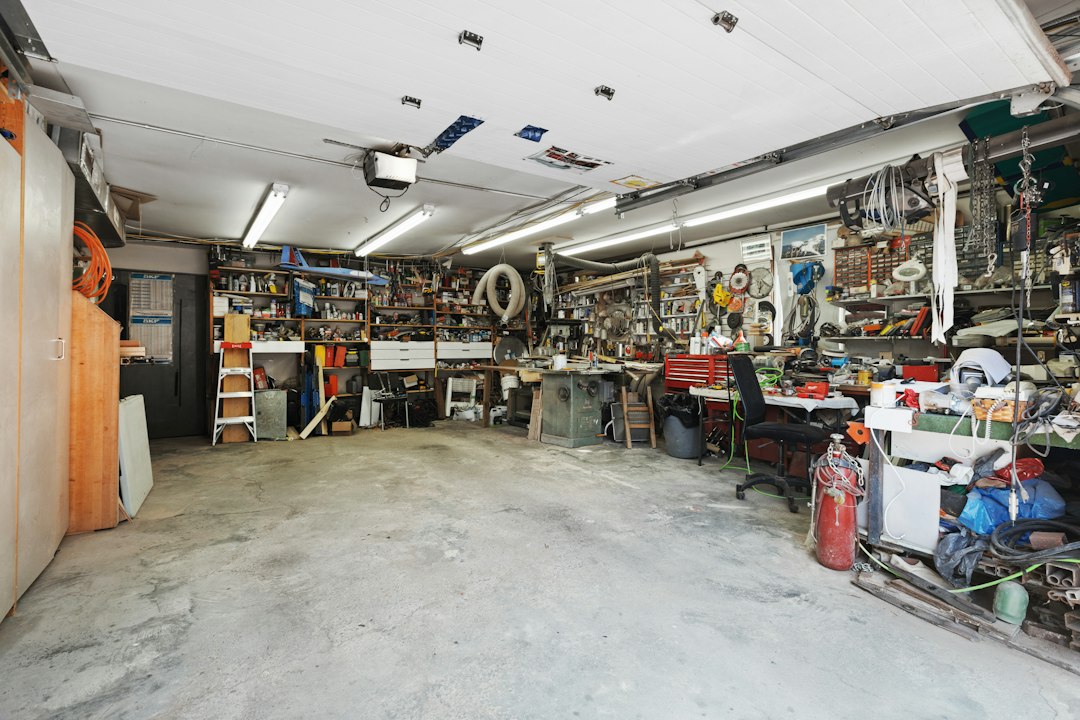
Photo: Point3D Commercial Imaging / stock photo. Illustrative service image.
Confirm who can make decisions
Identify the person legally authorized to direct the cleanout and sell, donate, or dispose of property. If family members share decisions, agree on a process before labor arrives. Workers should not decide which personal items have value or who receives them.
Pause when probate, landlord, lien, insurance, or ownership questions are unresolved. A faster cleanout is not worth creating a dispute. Keep important approvals and property access information available.
Secure records and valuables first
Search desks, files, safes, books, bags, and clothing for identification, wills, titles, financial records, photographs, jewelry, keys, and medication. Designate a secure area that labor will not enter. Remove firearms, controlled substances, and sensitive documents through the appropriate process.
Use a written inventory or photographs for items that family members plan to retain. Label boxes by recipient and destination. Do not mix them with donation containers.
Walk the property and identify hazards
Check basements, attics, sheds, garages, stairs, and exterior paths. Note mold, pests, needles, chemicals, damaged flooring, unstable shelving, animal waste, and utilities. Some conditions require remediation or specialized handling before general labor begins.
Explain known hazards in the quote request. Keep children, pets, and unnecessary visitors out of the work zone. Confirm lighting and safe access at every level.
Sort in deliberate passes
First remove definite family keepsakes and documents. Next identify sale or appraisal items. Then separate donations, recycling, and disposal. A final pass catches items hidden in drawers or mixed boxes. This order reduces the risk of discarding something meaningful.
Use clear labels and distinct physical zones. One decision-maker should remain available. If a category requires later review, keep it separate rather than stopping the entire job.
Match materials to current local options
Use Larimer County’s current A–Z waste guide to research specific materials. Electronics, tires, appliances, paint, and chemicals may follow different routes. Confirm facility hours and fees before loading.
Donation centers set their own acceptance rules and may decline stained, damaged, recalled, or oversized items. Call ahead for large volumes. Labor-only cleanout help does not choose the recipient or guarantee acceptance.
Arrange containers and transportation
Estimate the volume after sorting. Reserve the dumpster, truck, or trailer and confirm placement rules. Protect driveways only with approved methods. Keep the container accessible without blocking emergency routes or neighbors.
Plan the order of donation, recycling, and disposal stops. The driver is responsible for capacity, securement, and transportation. Tell the labor crew which items belong in each load.
Close out the property carefully
After removal, check cabinets, closets, appliances, outbuildings, and exterior storage. Photograph the cleared rooms if documentation matters. Return keys, secure doors and windows, and follow any landlord, estate, or real-estate instructions.
Cleaning, repairs, hazardous-material work, and hauling are separate scopes unless included in writing. A clear completion checklist prevents assumptions at the end of a difficult day.
Request compassionate, clearly scoped labor
Send room-by-room photos, stairs, parking, heavy items, the sorting status, and the container plan. State which areas are excluded and who will make decisions. Complex properties may need more than one scheduled phase.
Our Northern Colorado cleanout labor can help sort and load items under your direction. Use the job request for a flat-rate review.
Ready to plan the job?
Send our team the scope, address, preferred date, access details, and photos. We will review it and send a flat-rate quote.
FRONT RANGE LABOR
Your second set of hands. Labor-only help across Northern Colorado.
cole@frontrangelabor.com · 970-373-0339
Service-area business. No customer visits. © 2026 Front Range Labor LLC.