CLEANOUT GUIDE · NORTHERN COLORADO
What Can Go in a Dumpster or Trailer? A Northern Colorado Cleanout Guide
A cleanout gets expensive and frustrating when everything is loaded before anyone confirms where it can go. Sort the material first, verify the destination’s rules, and build a route that keeps reusable, regulated, and ordinary items separate.
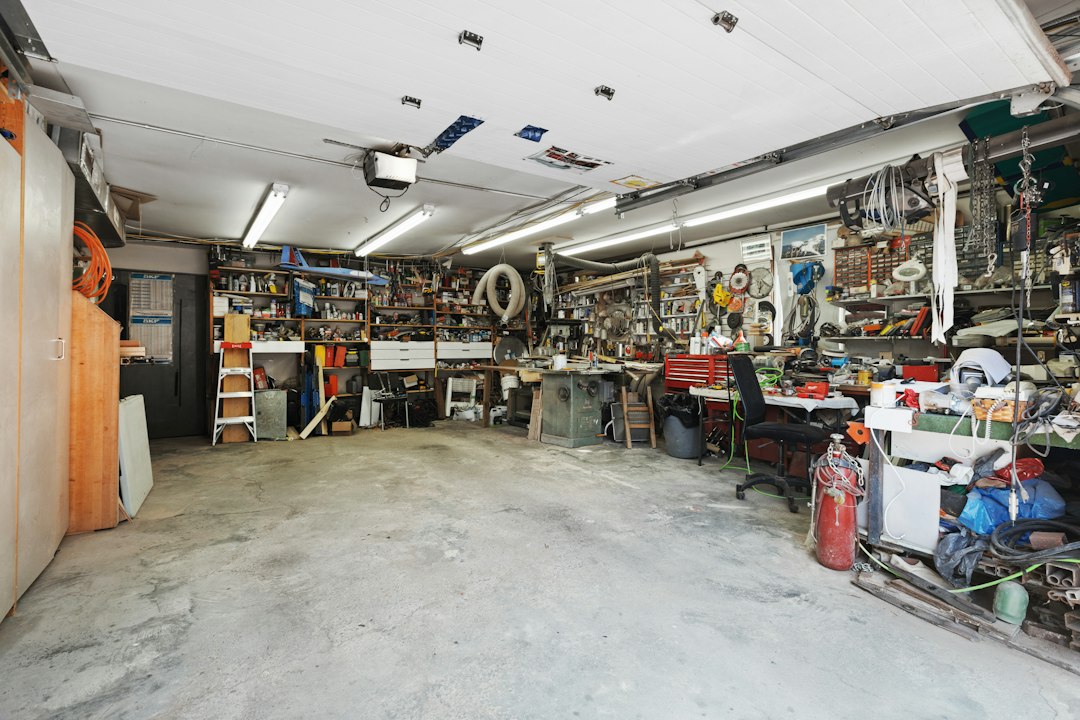
Stock photo: Point3D Commercial Imaging. Illustrative service image.
Choose the destination before loading
A dumpster, transfer station, landfill, recycling center, and donation site do not accept the same materials. Start with the company or facility that will receive the load. Ask for its current prohibited-item list, size limits, hours, fees, and requirements for covered or secured loads.
Larimer County publishes a current A–Z disposal guide. Rules can change, so use that directory as a starting point and confirm details directly before the project day.
Make four sorting zones
Use clear zones for donate, recycle, ordinary disposal, and special handling. Add a fifth keep zone if the property is still being organized. Mark the zones with large signs and keep walkways open so crew members do not have to stop and ask about every item.
Do not rely on memory once the work begins. A simple written list for each zone helps everyone make the same decision and prevents a reusable item from being buried under trash.
Separate hazardous and regulated material
Paint, chemicals, fuels, batteries, propane cylinders, pesticides, fluorescent lamps, and similar products may require special handling. Never hide them in bags or mix them into an ordinary dumpster. Leaking, unlabeled, or swollen containers should be isolated from the work path.
Review Larimer County’s household hazardous waste guidance before moving these items. Follow the facility’s packaging and transport instructions.
Ask about bulky-item rules
Appliances, tires, mattresses, televisions, construction debris, concrete, dirt, and refrigerators often have separate fees or restrictions. Refrigerators and air conditioners can contain refrigerants. A dumpster company may refuse an entire load if prohibited material is mixed in.
Photograph bulky items and send the list to the disposal provider. Get written confirmation when an item is unusual or especially heavy.
Protect donations from the disposal pile
Donation items should be clean, functional, and protected from weather. Call the organization first because current needs, drop-off hours, and accepted categories vary. A broken item does not become donatable simply because it is placed in that zone.
Pack small pieces in labeled boxes and keep hardware with furniture. Load donations last if they must be dropped off before the disposal run.
Plan the loading path
Measure doors, gates, stairs, and tight turns. Remove rugs, hoses, cords, and loose debris. Protect floors and door frames where bulky pieces will pass. Decide where the trailer or dumpster can sit without blocking emergency access or creating a blind corner.
Keep children, pets, and bystanders away from the loading route. One person should have authority to answer sorting questions and approve any change in scope.
Load for a stable trip
Place dense, stable items low and distribute weight according to the trailer or vehicle manufacturer’s instructions. Do not exceed rated capacity. Secure loose material and cover loads when required so nothing can shift or leave the vehicle.
The vehicle owner and driver remain responsible for capacity, securement, and transport. Labor-only crews can carry and load items, but they do not replace the driver’s final inspection.
Match the crew to the bottleneck
Two people may be enough for bagged material and ordinary furniture. Stairs, long carries, heavy pieces, a short dumpster window, or several sorting destinations can justify more hands. Extra workers only help when the route has enough space for them to work safely.
List safes, pianos, hot tubs, large appliances, and unknown containers separately. Some items require specialty equipment or a different provider.
Know what labor-only means
Front Range Labor supplies the people. The customer supplies the dumpster, trailer, vehicle, tools, equipment, packing material, and disposal plan unless a written quote says otherwise. We do not decide whether a facility will accept an item.
That split keeps the quote clear. Confirm every outside reservation before booking the labor window.
Send enough detail for a flat-rate quote
Include the service address, preferred day and time of day, room or yard photos, stairs, carry distance, parking, largest items, and the container you will provide. Estimate how much is already bagged or boxed and what still needs sorting.
Our $200 minimum applies. Same-day work adds $100 when availability permits. Review our cleanout labor service or send the job details online.
Need cleanout labor?
Send our team photos of the space, the largest items, stairs, access, and the trailer or dumpster you are providing. We will review the scope and send a flat-rate quote.
FRONT RANGE LABOR
Your second set of hands. Labor-only help across Northern Colorado.
cole@frontrangelabor.com · 970-373-0339
Service-area business. No customer visits. © 2026 Front Range Labor LLC.