CLEANOUT GUIDE · NORTHERN COLORADO
A Practical Garage Cleanout Plan for Fort Collins and Loveland
A garage cleanout becomes manageable when sorting, disposal, and loading are planned as separate steps. Use this local checklist before labor arrives.
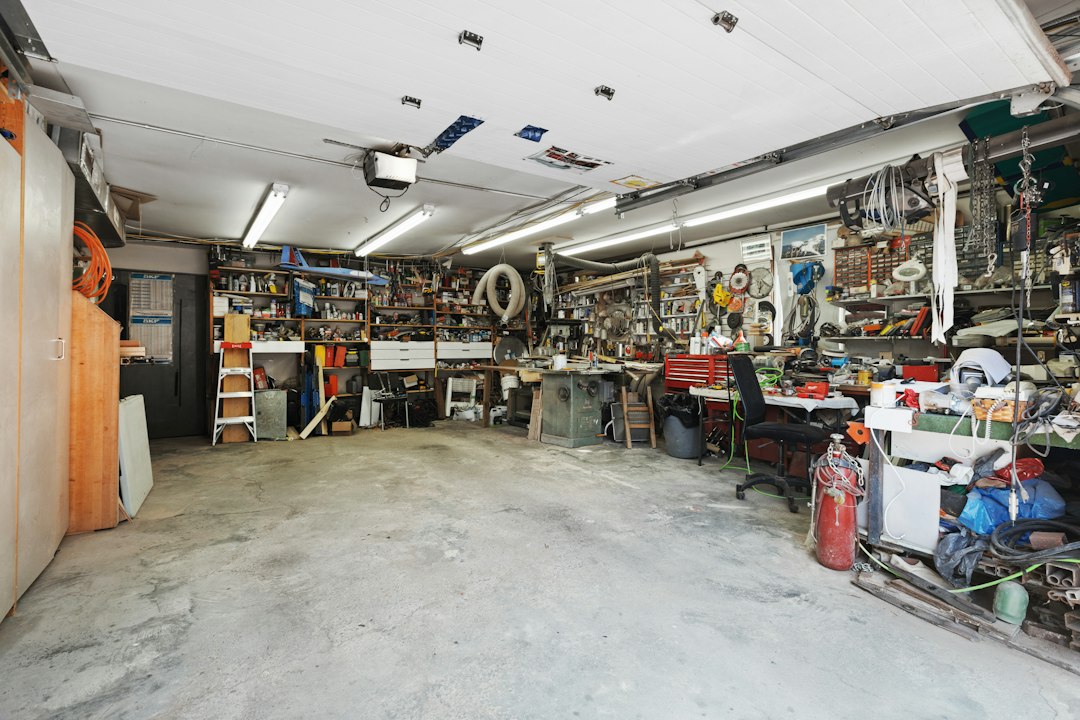
Photo: Point3D Commercial Imaging / stock photo. Illustrative service image.
Define what finished means
Decide whether the goal is an empty garage, one usable parking bay, clear shelving, or preparation for a move. Photograph the current condition and mark anything that must stay. A specific finish line makes it easier to estimate labor and container size.
Front Range Labor supplies labor only. The customer arranges the truck, trailer, dumpster, disposal destination, tools, and materials. Confirm those logistics before booking the crew.
Create four sorting zones
Use clear zones for keep, donate, recycle, and dispose. Add a separate hazardous-material area that workers will not mix into ordinary trash. Label the zones and keep walkways open. Do not move questionable containers until you know what they contain.
Sort enough in advance to identify the major volume, but do not create unstable piles. If the team will help sort, explain the decision rules and make one person available to answer questions.
Check local disposal rules before loading
Larimer County maintains an A–Z material guide and current solid-waste information. The county’s disposal system changed in 2026, so rely on the present guidance rather than an old habit or search result. Confirm hours, fees, and destination before the truck is loaded.
Loveland residents can review the city’s trash, recycling, bulky-item, and cleanup programs. Eligibility and accepted items vary. Labor services do not guarantee that a facility will accept a load.
Separate hazardous and restricted materials
Paint, solvents, pesticides, automotive fluids, batteries, compressed cylinders, and unknown chemicals require special handling. Keep labels intact and do not combine containers. Larimer County publishes a dedicated hazardous-waste resource.
Tell the crew about any sharp, leaking, unstable, or unidentified items. Some materials should remain untouched until the appropriate facility or specialist provides instructions.
Prepare the loading route
Move vehicles, bicycles, hoses, and tools out of the path. Sweep loose screws or glass. Confirm that the trailer or truck is positioned legally on stable ground. Provide adequate lighting and weather protection.
Use gloves and other task-appropriate protective equipment. Boxes for small parts should close securely. Cover sharp edges and keep heavy items within a manageable container size.
Load for the destination
Donation, recycling, and disposal loads may need different stops. Keep categories separated so accepted materials remain usable. Place items needed at the first stop where they can be reached without unloading everything else.
Do not overload the vehicle or exceed trailer limits. The driver controls transportation and securement. Labor can help load the agreed items, but the customer remains responsible for the vehicle and disposal plan.
Save useful items without recreating clutter
Before returning keep-items to the garage, assign each a location. Use shelves and labeled containers appropriate for the contents. Keep exits, electrical panels, water heaters, and equipment access clear.
If an item has no defined use or location, reconsider the keep decision. A cleanout succeeds when the new system prevents the same piles from returning.
Quote the scope from photos and volume
Send wide photos from each corner, close-ups of heavy or unusual items, the planned disposal container, stairs, and carry distance. State whether sorting is already complete. Identify appliances, tires, chemicals, construction debris, and oversized furniture separately.
Review our junk and cleanout labor model, then request a flat-rate quote. The service loads the disposal method you arrange; it does not include hauling.
Ready to plan the job?
Send our team the scope, address, preferred date, access details, and photos. We will review it and send a flat-rate quote.
FRONT RANGE LABOR
Your second set of hands. Labor-only help across Northern Colorado.
cole@frontrangelabor.com · 970-373-0339
Service-area business. No customer visits. © 2026 Front Range Labor LLC.