HEAVY FURNITURE · NORTHERN COLORADO
Moving Heavy Furniture Without Damaging Walls or Floors
The best time to protect a doorway is before a dresser reaches it. Measure, clear, pad, and control each heavy piece with a plan.
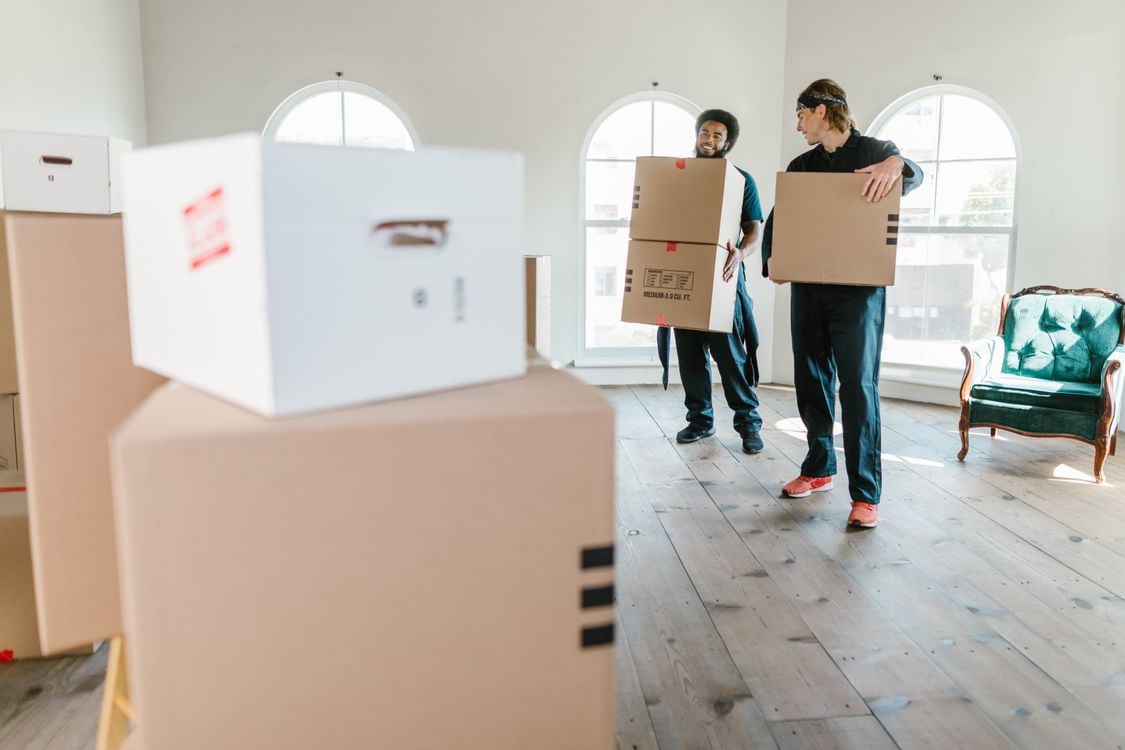
Photo: RDNE Stock project / Pexels. Illustrative service image.
Measure the furniture and the route
Record the furniture’s height, width, depth, and any removable parts. Measure doors, hallways, stairs, landings, and elevator openings. Remember that a piece may need diagonal clearance to turn. Identify low lights, railings, trim, and sprinkler heads.
If the measurements do not work, decide whether the item can be safely disassembled. Do not force furniture through an opening based on hope. Send route photos and dimensions with the quote request so the crew can evaluate the scope.
Remove weight and moving parts
Empty drawers, shelves, and cabinets when contents add weight or can shift. Remove glass shelves and secure doors. Label hardware and photograph assembly points. Protect loose cords and moving components.
Some furniture is not designed to be carried by the top, legs, or decorative trim. Check manufacturer guidance where available and identify structurally sound grip points before lifting.
Use protection suited to the surface
Apply clean furniture pads, corner protection, and floor protection that will not slide or damage finishes. Do not tape pads directly to stained wood or painted surfaces. Test protective products in an inconspicuous area when the manufacturer recommends it.
Keep grit and moisture off hard floors. Rugs, loose cardboard, and improvised plastic can become slip hazards. The protection should stay in place under load and allow controlled footing.
Choose equipment that fits the route
Dollies, hand trucks, sliders, straps, and lifting aids can reduce effort when used correctly, but each has surface and capacity limits. Inspect equipment and confirm that wheels will not mark floors. A tool that cannot clear the stairs or doorway may create more risk than it removes.
OSHA’s heavy-lifting guidance recommends mechanical help for large or awkward materials and warns against one-sided carrying and twisting. Stop if the available people and equipment cannot control the item.
Assign commands before the lift
Choose one person to call the lift, stop, lower, and turn. Everyone should understand the route and where the piece will rest if the team needs a break. Clear other people from stairs and narrow halls.
Lift together, communicate changes, and move feet rather than twisting under load. Do not rush because a door is being held or someone is waiting behind the crew. Controlled pauses protect both people and property.
Protect doors, corners, and landings
Remove doors only when permitted and when the customer has the correct tools and plan to reinstall them. Pad sharp corners and keep hardware organized. Watch the top and back of tall pieces, not only the hands at the bottom.
On stairs, maintain space for the team to set the item down safely. Do not crowd the lower worker or stand in the fall path. If a turn cannot be made without losing control, return to a stable position and reassess.
Set the destination before carrying
Decide exactly where the piece belongs and clear that space. Measure the destination doorway and route too. Place floor protection and sliders before the item arrives. An undecided destination leads to unnecessary repositioning.
After placement, check stability before reloading drawers or shelves. Reassemble according to the manufacturer’s instructions and keep hardware from unrelated items separate.
Describe heavy pieces honestly
Include photos, measurements, stairs, and known weight information in the request. Identify safes, pianos, hot tubs, machinery, large appliances, and specialty items separately; general labor may not be the appropriate scope for every object.
For suitable furniture work, our labor-only moving service can provide extra hands. Use the booking request so the team can review the path before quoting.
Ready to plan the job?
Send our team the scope, address, preferred date, access details, and photos. We will review it and send a flat-rate quote.
FRONT RANGE LABOR
Your second set of hands. Labor-only help across Northern Colorado.
cole@frontrangelabor.com · 970-373-0339
Service-area business. No customer visits. © 2026 Front Range Labor LLC.